
01
Energy Density Potential
Solid-state architectures are being developed for applications where compact energy storage and higher system-level performance matter.
Solid-State Batteries
Solid-state battery pathways are being developed to improve safety architecture, compact energy storage potential and performance for advanced application requirements.
Why Solid-State
Solid-state technologies replace conventional liquid-electrolyte design approaches with solid electrolyte pathways, creating new possibilities for safety-oriented and space-sensitive battery development.
01
Solid-state architectures are being developed for applications where compact energy storage and higher system-level performance matter.
02
Replacing conventional liquid electrolyte approaches with solid electrolyte pathways may support safer battery system development.
03
Solid electrolyte technologies are attracting attention where thermal behaviour and operating reliability influence design choices.
04
A future-facing pathway for mobility, critical backup systems and other space-sensitive energy storage applications.
Application Fit
Solid-state technology is particularly relevant where future battery systems must balance demanding performance expectations with safety architecture and limited installation space.
01
Relevant to future mobility platforms where compact energy storage, safety architecture and vehicle integration are central priorities.
02
Potential relevance for high-value backup applications where reliability, safety and available installation space matter.
03
A technology pathway of interest for specialised equipment and high-performance energy storage environments.
Electrolyte Pathways
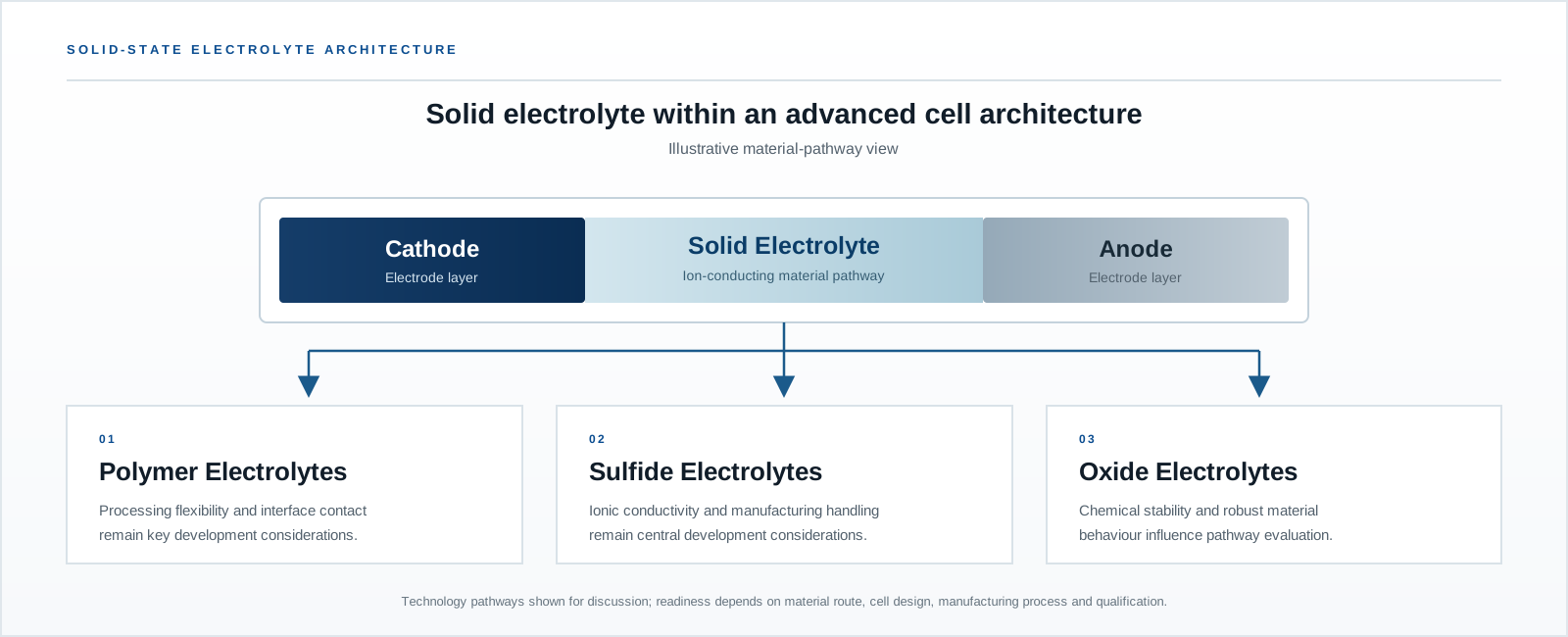
Solid-state battery development includes several electrolyte families, each being explored for different balances of conductivity, stability, manufacturability and application readiness.
01
A solid electrolyte family being explored for processing flexibility and compatibility with evolving battery manufacturing approaches.
02
A pathway attracting attention for ionic conductivity potential and advanced all-solid-state cell development.
03
A ceramic-based route of interest where chemical stability and robust material behaviour are important considerations.
Solid-State in Context
Solid-state batteries represent an important advanced technology direction, but technology selection should distinguish longer-term potential from currently qualified and deployment-ready solutions.
Project Consideration
Solid-State Perspective
Safety Architecture
Solid electrolyte pathways may support battery designs with reduced reliance on conventional flammable liquid electrolyte systems.
Compact Energy Storage
The technology is particularly relevant where future improvements in energy density could support space-sensitive applications.
Manufacturing Maturity
Commercial readiness depends on cell design, material pathway, manufacturing process and project-specific qualification.
Application Timing
Near-term project decisions should distinguish emerging solid-state potential from currently available deployment-ready solutions.
Connect With Us
Connect with StorageLink to explore advanced battery pathways, application fit and qualified capability connections.