01
Resource Availability
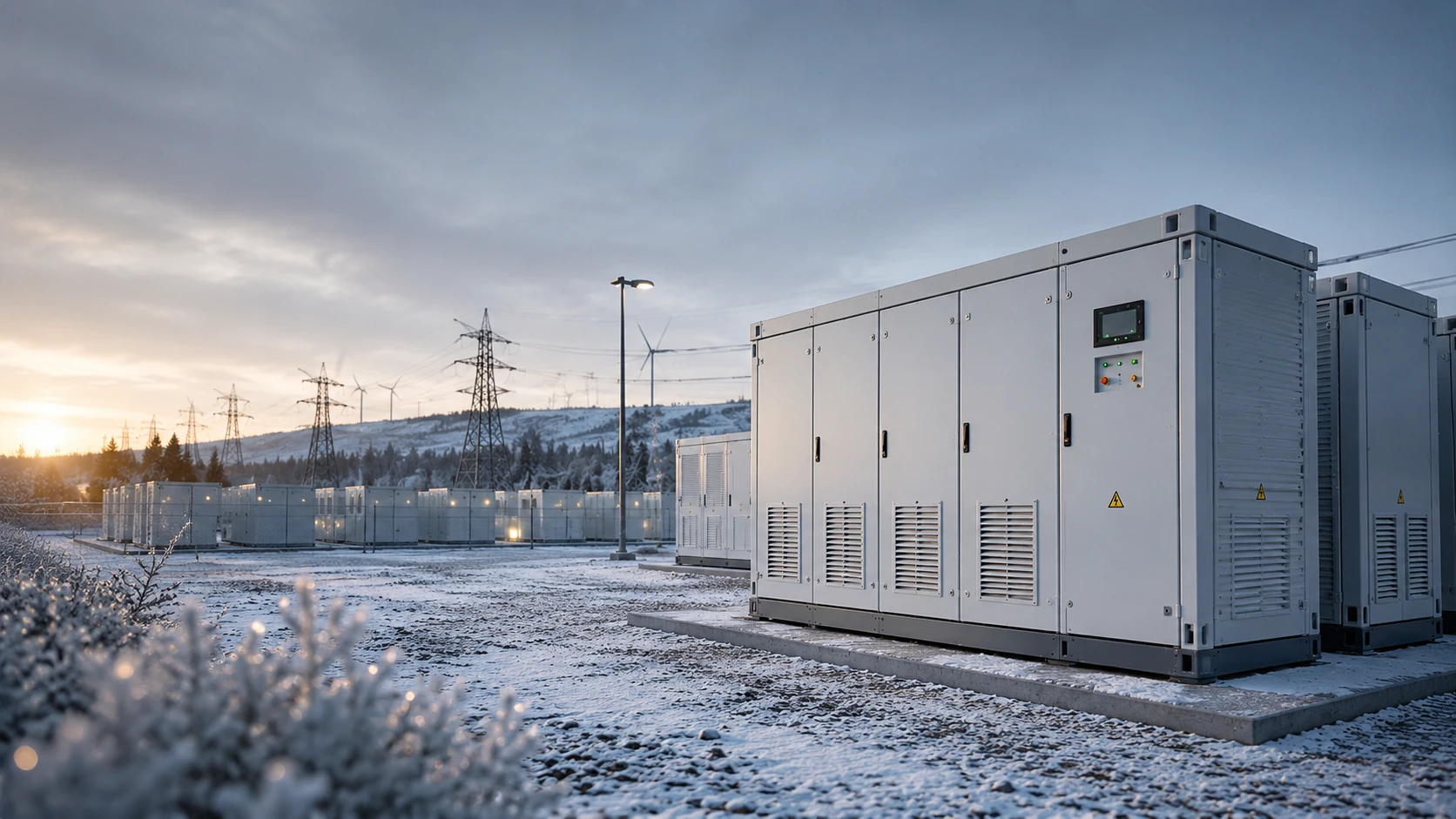
Sodium-based material pathways offer a widely available foundation for future stationary storage development.
Sodium-Ion Batteries
Sodium-ion technology offers a compelling pathway for stationary energy storage, with potential advantages in material availability, temperature resilience and cost-sensitive deployment scenarios.
Why Sodium-Ion
Sodium-ion batteries are developing as a complementary storage pathway, particularly for applications where material availability, operating conditions and system economics are central considerations.
01
Sodium-based material pathways offer a widely available foundation for future stationary storage development.
02
Sodium-ion technology is attracting attention for storage applications where low-temperature operation matters.
03
Material availability and evolving manufacturing approaches may support cost-sensitive storage deployment.
04
A promising pathway for renewable integration, commercial storage and selected infrastructure applications.
Application Fit
Sodium-ion technology is particularly relevant to stationary applications where scalability, operating conditions and cost sensitivity influence technology selection.
01
Supporting renewable energy balancing and stationary storage requirements across evolving power systems.
02
Potential fit for peak management, site-level energy optimisation and cost-sensitive storage deployment.
03
Relevant to storage applications where dependable operation across varied environmental conditions matters.
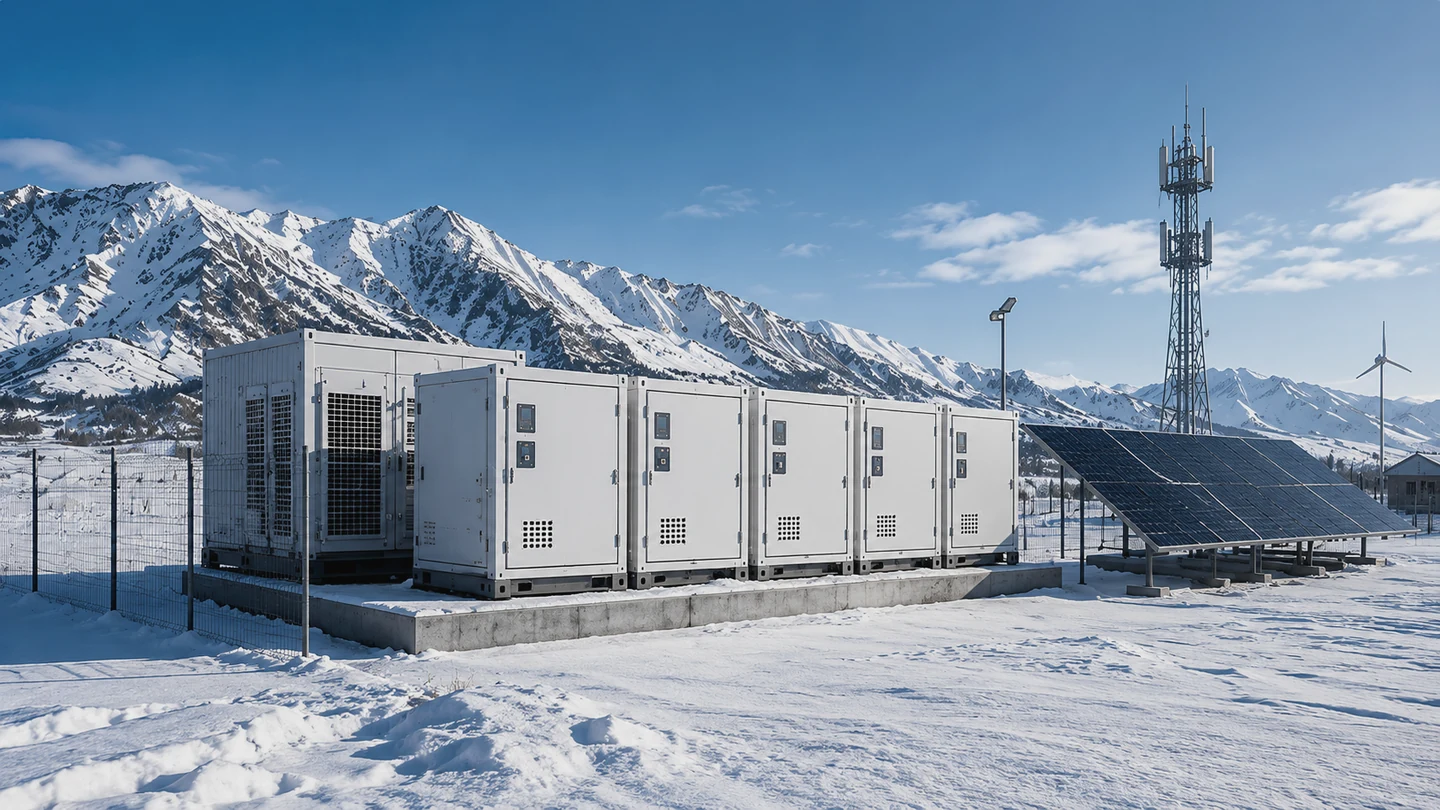
Application Scene
Cold-climate and remote-site applications can place particular emphasis on reliable stationary storage, local renewable integration and dependable system operation.
Illustrative application setting shown for technology discussion.
Technology Pathways
Sodium-ion development includes several cathode chemistry families, each being explored for different balances of performance, stability, cost potential and scalability.
01
A sodium-ion cathode pathway being developed for balanced performance across energy, power and practical cell design requirements.
02
A chemistry family attracting attention for structural stability and safety-oriented stationary storage development.
03
A framework-based pathway of interest for material accessibility, scalable processing and emerging storage applications.
Sodium-Ion in Context
Sodium-ion is not positioned as a universal replacement for lithium-ion. Its relevance is strongest where stationary deployment, material availability, operating conditions and system economics shape technology selection.
Project Consideration
Sodium-Ion Perspective
Material Availability
Sodium-based pathways may support broader material sourcing options for large-scale stationary storage.
Operating Conditions
Sodium-ion can be relevant where temperature resilience and dependable stationary operation influence selection.
Deployment Profile
Its strongest potential lies in stationary applications where compactness is less critical than practical system fit.
Energy Density Priority
Applications requiring maximum compact energy density may continue to favour established lithium-ion solutions.
Connect With Us
Connect with StorageLink to explore relevant technology pathways, application fit and qualified capability connections.