01
Duration Flexibility
Flow battery architectures are relevant to stationary applications where energy duration can be shaped around project requirements.
Flow Batteries
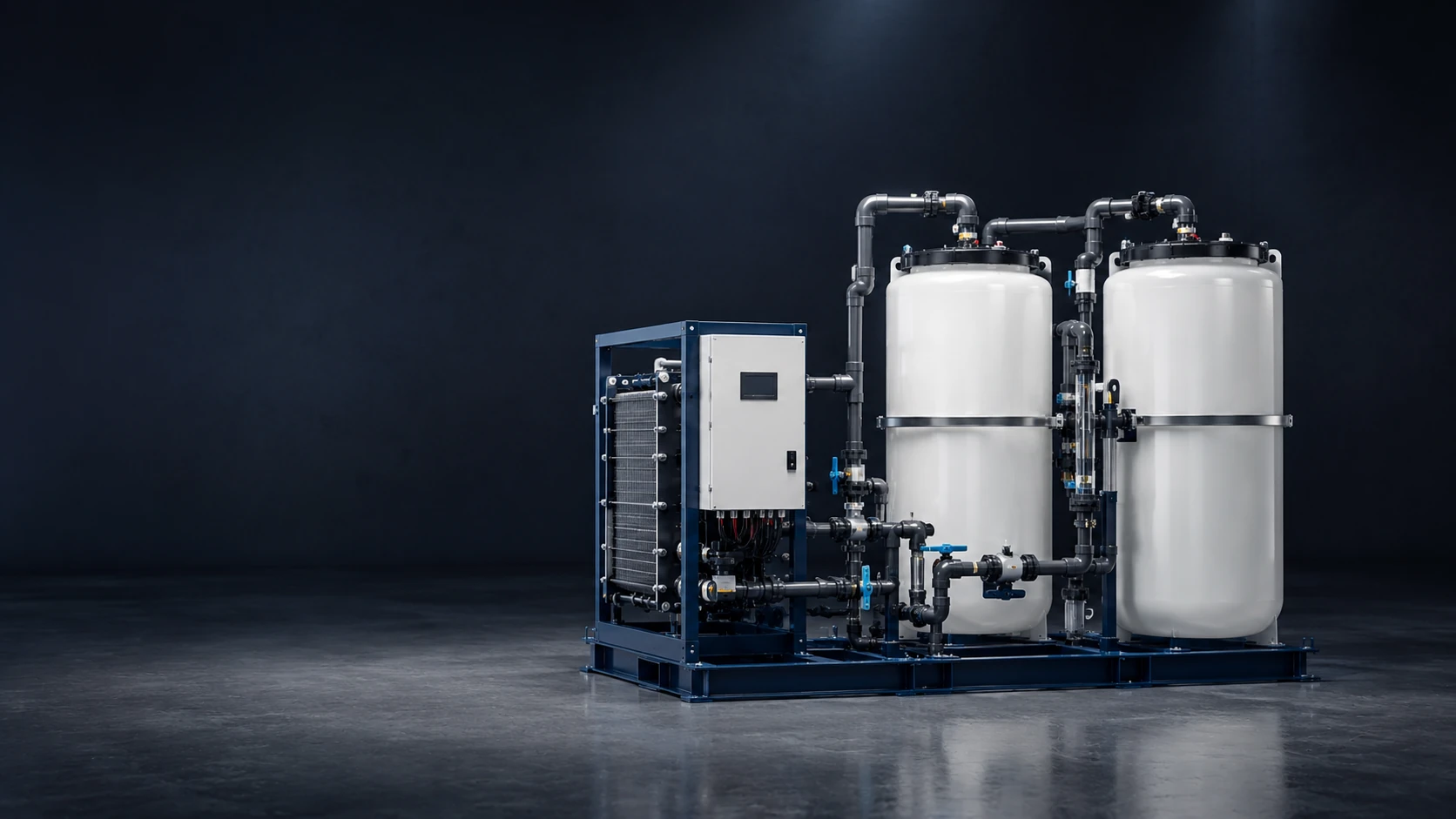
Flow battery systems use external electrolyte storage and electrochemical stacks to address stationary applications where duration, scalability and system resilience shape technology selection.
Why Flow Batteries
Flow batteries separate energy storage in external electrolyte tanks from power delivery through electrochemical stacks, creating a distinctive system architecture for long-duration stationary applications.
01
Flow battery architectures are relevant to stationary applications where energy duration can be shaped around project requirements.
02
External electrolyte storage and electrochemical stacks create a pathway for separately considering energy capacity and power output.
03
Aqueous electrolyte pathways are of interest for stationary systems where operational safety and system resilience matter.
04
A technology direction suited to renewable integration, microgrids and other stationary energy management applications.
Application Fit
Flow battery technologies are particularly relevant to stationary use cases where renewable integration, operating continuity and project-specific storage duration matter.
01
Supporting solar and wind integration where stored energy may need to be dispatched across longer operating periods.
02
Relevant to systems requiring dependable stationary storage alongside local generation and constrained grid access.
03
Potential fit for site-level energy management, demand optimisation and resilience-oriented storage planning.
System Architecture
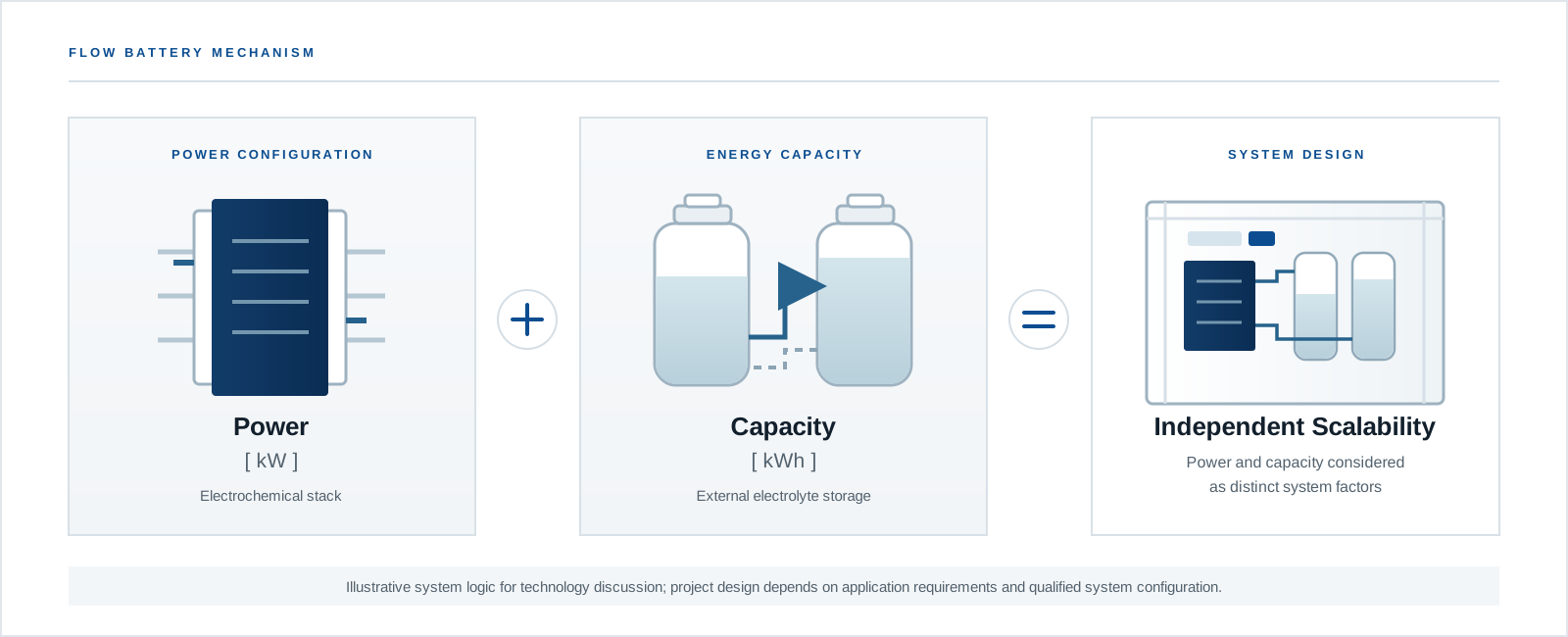
The defining feature of a flow battery is its system-level design: electrolyte tanks, pumping and control equipment, and an electrochemical stack operating as an integrated stationary storage solution.
01
Liquid electrolyte is held in external tanks, establishing the stored-energy component of a flow battery system.
02
The stack converts stored electrochemical energy into usable electrical power within the configured system architecture.
03
Tank capacity, stack configuration and supporting equipment can be considered according to application duration and power needs.
Chemistry Pathways
Flow battery development includes several chemistry pathways, each being considered for different balances of materials, system configuration, project footprint and deployment priorities.
01
A widely recognised flow battery chemistry route being developed for stationary and long-duration storage applications.
02
An alternative flow chemistry pathway of interest where abundant material systems and cost-sensitive deployment are priorities.
03
A hybrid flow battery direction being explored where system footprint and energy storage characteristics influence selection.
Flow Batteries in Context
Flow batteries are not a universal replacement for other storage technologies. Their relevance is strongest where stationary deployment, duration flexibility, safety-oriented operation and available site space align with project needs.
Project Consideration
Flow Battery Perspective
Flow battery systems are particularly relevant where projects require stationary storage over extended operating periods.
The architecture allows project discussions to consider stack power and electrolyte capacity as related but distinct design factors.
External tanks and balance-of-system equipment mean site layout and installation space remain important planning considerations.
The appropriate flow chemistry depends on application requirements, supply considerations, qualification and deployment context.
Connect With Us
Connect with StorageLink to explore relevant long-duration storage pathways, application fit and qualified capability connections.